Business Name: BeeHive Homes of Goshen
Address: 12336 W Hwy 42, Goshen, KY 40026
Phone: (502) 694-3888
BeeHive Homes of Goshen
We are an Assisted Living Home with loving caregivers 24/7. Located in beautiful Oldham County, just 5 miles from the Gene Snyder. Our home is safe and small. Locally owned and operated. One monthly price includes 3 meals, snacks, medication reminders, assistance with dressing, showering, toileting, housekeeping, laundry, emergency call system, cable TV, individual and group activities. No level of care increases. See our Facebook Page.
12336 W Hwy 42, Goshen, KY 40026
Business Hours
Monday thru Sunday: 7:00am to 7:00pm
Facebook: https://www.facebook.com/beehivehomesofgoshen
Families typically reach memory care at a snapping point. A spouse is no longer safe in your home. A parent is roaming in the evening. One fall, one hospitalization, or one car mishap turns a simmering concern into a crisis. In that moment, the choice between an intimate, home-like setting and a big memory care facility begins to feel overwhelming.
The fact is, both models can provide exceptional dementia assistance, and both can stop working severely when they are not run well or do not fit the person. The setting itself does not ensure quality, but it does shape every day life, staff habits, and just how much control families and residents in fact have.
What follows reflects years of operating in senior care, sitting in household conferences, and walking hallways on both sides: small residential homes and big assisted living neighborhoods with dedicated memory care units.

Why the setting matters so much for dementia
Dementia magnifies the impact of environment. Someone with intact cognition can adapt to noise, complex layouts, rushed staff, or moving routines. A person with moderate or sophisticated dementia typically can not. The setting becomes either a steady hint that supports staying abilities, or continuous friction that accelerates confusion and distress.
Several foreseeable modifications in dementia make environment particularly crucial:
People lose short-term memory, so they rely more on routine and visual cues than on guidelines or explanations.
They have problem with complex options and crowded areas, so too many individuals or activities can be exhausting. They often develop heightened sensitivity to noise, glare, and abrupt movement. They might wander, watch personnel, or end up being afraid if they can not understand what is happening around them.The choice between an intimate home and a larger center is essentially a choice about the kind of environment your relative will have to navigate every hour of the day and night.
Two dominant models of memory care
In most areas, the memory care landscape consists of 2 broad patterns.
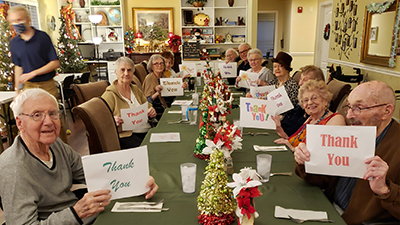
Some service providers operate little, home-like settings, frequently called residential care homes, board-and-care homes, or group homes. These might be accredited as assisted living, adult household homes, or comparable categories, depending on the state or country.
Others operate larger senior care communities with devoted memory care wings or floors. These may be stand-alone memory care facilities or part of a larger assisted living or continuing care campus.
Both are labeled memory care. Both might market security, structure, and "person-centered care." Underneath the shiny sales brochures, their basic structures vary in five essential ways: scale, staffing design, physical design, social environment, and flexibility.
Inside an intimate memory care home
Walk into a well-run residential memory care home and the first impression tends to be domestic. You are more likely to smell soup or coffee than cleaning up chemicals. The television, if on, is audible but not blasting. There may be 6 to ten residents, sometimes up to twelve, sharing common spaces.
Bedrooms normally line a brief hallway or open off the main living location. The kitchen is visible, often central. Locals can see personnel moving around, cooking, folding laundry, or setting the table. There is really little "back of house." The majority of the work of caregiving, housekeeping, and meal preparation takes place in the open.
Routine emerges from the requirements and habits of the group rather than a stiff institutional schedule. A resident who enjoys sleeping till nine frequently can. Another who likes to assist peel veggies or set the table may be encouraged to do so. The early morning might include a couple of structured activities, however much of the stimulation originates from common domestic jobs: watering plants, arranging drawers with safe objects, talking at the kitchen area table.
In my experience, a number of functions of these homes especially benefit people with dementia:
Familiar rhythms and smells. The cycle of cooking, serving, and cleaning resembles a family home. People with moderate dementia often orient better to a kitchen table than to an official activity room.
Continuous, low-key guidance. With a smaller sized space and fewer locals, personnel can see and hear the majority of what takes place without relying entirely on call bells. Wandering is much easier to handle since there are less passages and exit points.
Personalization without bureaucracy. Adjusting a morning regimen, changing music choices, or moving meal timing can generally be selected the spot by the people working that day, not by a multi-step approval process.
However, intimate homes are not instantly picturesque. A small setting magnifies both strengths and weaknesses. When the manager is outstanding, culture tends to be consistently great. When the manager cuts corners, there is no 2nd dining room or alternate wing to escape to. A single disengaged caretaker can form the environment of the entire house.
Regulatory oversight can also be less noticeable to families. Numerous residential homes meet all licensing requirements, but they might not have on-site nurses every day or dedicated treatment staff. Comprehending precisely what medical and behavioral situations they can handle is crucial.
Inside a large memory care facility
A larger memory care facility typically feels more like a small campus. There might be 30 to 60 residents in the memory care system, divided into "communities" of 10 to 20 individuals. Halls are longer. Doors are protected with keypads or delayed egress systems. There may be a central dining room, multiple activity areas, and a protected courtyard.
The environment tends to be more structured. Breakfast, lunch, and dinner occur in shared dining-room at scheduled times. Activity calendars consist of workout classes, music programs, and group events. Some communities host checking out performers, animal treatment, or intergenerational programs.
From a senior care operations perspective, size enables numerous things that smaller homes seldom match:
On-site medical personnel. Lots of larger facilities have regular nurse protection, with a signed up nurse on call, medication service technicians, and much better access to visiting physicians, therapists, and hospice groups.
Stronger backup and protection. When a caretaker calls out ill, there is usually somebody else to call. In a ten-bed home, one absence can interfere with the whole day.
Capacity for higher acuity. Larger memory care units sometimes accept locals with complex medical conditions, numerous medications, or greater movement requirements, because they have devices, lift devices, and more staff on each shift.
However, the same scale that allows more scientific services can produce hurdles for somebody with dementia. Noise levels are generally greater. There is more foot traffic. Personnel often move quickly, trying to serve numerous citizens in a specified window. A person who requires more time to choose or who ends up being overloaded by crowds may withdraw or become agitated.
One household I dealt with moved their father from a quiet group home into a large facility after a hospitalization. The new setting had quicker access to physical treatment and a dedicated nurse. It likewise had long hallways and two dining spaces. For the very first month, he struggled to find his room, missed out on meals, and often sat apart from others. As soon as personnel recognized this, they changed his care strategy and escorted him more regularly, however those early weeks were rough.
Scale brings resources, however also intricacy. The concern is whether your relative thrives with more choices and stimulation, or requires simplicity and low sensory load.
Safety, falls, and medical oversight
Families frequently fret most about safety: falls, wandering, medical emergency situations. Deciding between an intimate home and a big facility involves compromises in this area.
In a little home, staff presence is typically excellent. When there are eight locals and two caregivers in a compact space, it is tough for someone to fall unnoticed. Restroom journeys, transfers, and hallway walks are much easier to keep track of in genuine time. For people with a history of frequent falls, this type of close observation can decrease risk.
However, once a fall or medical issue happens, response capability might be more minimal. Lots of small homes do not have nurses on site 24 hours. They call 911 or an on-call nurse for examination. That is suitable for severe emergency situations, but it can lead to more emergency room visits for concerns that could be dealt with in-house by a strong scientific group in a bigger facility.
In a bigger memory care unit, the circumstance reverses rather. Staff may not see every resident at every moment, simply due to the fact that of the size of the area and the number of individuals. Some facilities use movement sensors, bed alarms, or rounding schedules to compensate. After an incident, however, their clinical depth is usually higher. They can evaluate blood pressure, oxygen saturation, or blood glucose, consult a nurse immediately, and in some cases avoid a health center trip.
There is no universal guideline about which setting is safer. It depends heavily on how each particular service provider manages guidance, fall prevention, and medical triage. During tours, do not be reluctant to request their fall rates, health center transfer rates, and how they decide whether to send out someone to the emergency situation department.
Life in between the crises: rhythm, stimulation, and dignity
Emergencies are unusual. Most of life in memory care consists of common hours: getting up, bathing, dressing, consuming, moving about, and looking for meaning in the day. The shape of those hours is where the difference in between intimate homes and big facilities frequently ends up being most visible.
In little homes, life tends to be woven into household activity. Homeowners might see staff cook, assistance fold towels, or chat over coffee. Activities are typically casual, one-to-one, or in little clusters. Music might come from a radio or playlist rather than an official program. For somebody who prefers quiet, unstructured time and easy conversation, this environment can feel reassuring.
The threat is that, without intentional planning, days can drift into long stretches of television and passive sitting. Strong small homes appoint personnel to lead strolls, reminiscence conversations, or light exercise, but not every provider purchases this.
In larger memory care facilities, numerous residents gain from more official activity programs. Group workout, chair yoga, art sessions, and music circles provide stimulation and social contact. There may be devoted life enrichment personnel whose sole task is to design and run these programs. For locals with early to moderate dementia who take pleasure in social engagement, this structure can be incredibly valuable.
On the other hand, group activities do not fit everyone. People with innovative dementia or substantial sensory sensitivity might discover big gatherings overwhelming. In these cases, what matters most is how flexibly the facility adapts: are personnel enabled to march with a resident, offer a quieter option, or change schedules? Or is the regular stiff, with everyone expected to follow the very same plan?
A handy question to ask in both settings is not simply "What activities do you use?" however "What does a common day look like for someone like my mother?" Inquire to stroll you through a 24-hour duration, including evenings and weekends, for a resident with similar cognitive and physical abilities.
Staffing: numbers, connection, and culture
Families tend to inquire about staffing ratios, which is reasonable. Ratios matter, however culture and continuity typically matter more.
Small homes often boast beneficial caregiver-to-resident ratios, in some cases 1:4 or 1:5 throughout daytime. Since there are less personnel, homeowners and caregivers typically understand each other well. A caretaker who has worked in the same house for years will typically recognize subtle modifications in a resident's habits or appetite and can signal family promptly.
The other side is vulnerability to turnover or lack. If one enduring caregiver leaves, citizens and households may feel the loss extremely. The house might rely on momentary personnel who do not understand the locals, a minimum of for a while. Given that each team member covers numerous functions (individual care, light housekeeping, some food preparation), burnout can be a concern unless leadership supplies strong support.
Larger facilities usually have more staff overall, with distinct roles: caregivers, med techs, activity coordinators, housekeeping, dining personnel. This can lower burnout in any one role and enables specialization. It also presents more handoffs. A resident's mood, hunger, sleep, and behavior might be observed by a number of different people throughout the day. If communication is weak, important details get lost.
In practice, the most essential signal is not the ratio on paper, however whether staff appear rushed, whether they call citizens by name, and whether you sense mutual familiarity and respect. When you tour, see one or two interactions closely. A caretaker kneeling to eye level, speaking calmly, and smiling truly informs you more than a printed staffing grid.
Assisted living versus memory care: where does each fit?
Many families are puzzled about the distinction in between general assisted living and designated memory care. The terms overlaps, and guidelines vary.
General assisted living focuses on assisting locals with activities of daily living: bathing, dressing, medication management, meals, and standard guidance. Residents may have moderate cognitive disability or early dementia, however they can usually navigate the environment, discover their space, and follow cues.
Memory care, whether in a small home or a large center, includes a couple of crucial layers: safe or monitored exits to avoid unsafe roaming, staff trained to manage dementia-related habits, simplified environments, and structured regimens geared to cognitive limitations.
Some residential care homes place themselves in between the two, serving both elders without dementia and those with moderate cognitive decline. That can work well in early phases, however as dementia progresses, the person's needs may outgrow what a blended setting can handle. It is essential to ask not just "Can you confess my relative now?" but "Can you look after them when they are more confused, more frail, or more distressed?"
The role of respite care and step-by-step transitions
Not every decision has to be permanent. Respite care is an underused tool in senior care, especially for households taking care of somebody with dementia at home.
Both intimate homes and larger memory care facilities often use short-term stays. A one to four week respite stay can serve several functions:
It gives household caregivers real rest and an opportunity to examine their own limits.
It permits the resident to experience a new environment in a time-limited way, which can make a later permanent move easier. It lets you see how personnel respond to your relative's particular behaviors and needs, not simply how they act upon a tour.In some cases, families use respite care in a bigger center after hospitalizations or throughout health crises, then move to a smaller home once the individual supports. Others start with a small home and transition to a larger community if medical requirements heighten and need more medical support.
Thinking in stages instead of one permanent choice can decrease anxiety. The secret is to ask each supplier whether they offer respite, what the expense structure is, and whether respite homeowners get the same level of attention as long-lasting residents.
Costs, contracts, and what families typically overlook
Costs vary extensively by area, however one constant pattern appears throughout markets: intimate residential homes are in some cases a little more economical on paper than high-end large centers, yet the differences blur as soon as you include care levels and additional fees.
Larger facilities often market a base monthly rate that consists of real estate, meals, fundamental housekeeping, and limited assistance. Additional aid with bathing, toileting, transfers, or complex medication management may activate higher "levels of care" with different charges. Gradually, as dementia advances, these care expenses can rise significantly.
Residential care homes may utilize an easier all-encompassing charge for space, board, and personal care, changed sometimes as requirements alter. That can make budgeting much easier, however some homes charge separately for incontinence materials, transport, or really high care needs.
One financial aspect that households sometimes overlook is the cost of moving. Each transition brings emotional strain and potential health threats for someone with dementia. An obviously cheaper setting that can not manage foreseeable future needs can end up being more costly if it causes numerous moves.
When comparing expenses, it assists to ask directly about:
How they manage rate increases and care level changes.
What happens if your relative needs two-person transfers, tube feeding, or hospice medications. Whether they accept long-term care insurance coverage or veterans advantages, and how they assist with that paperwork.Even in a formal, medical decision, the monetary arrangement needs to be sustainable for the family. Undervaluing genuine expenses can lead to forced moves that harm everybody involved.
When intimate homes tend to work best
While there are always exceptions, specific patterns emerge concerning who tends to do well in small residential memory care homes. Based upon experience, the design frequently fits finest when:
The individual is most comforted by routine, quiet, and familiar domestic patterns.
They are at moderate dementia, with sufficient mobility to take part in family life, however currently battle with bigger or more complex environments. Household desires close, direct interaction with a little team of caretakers who understand the individual intimately. Medical requirements are fairly stable, with chronic conditions that are managed however not extremely intricate hour to hour.Residents who were homebodies, introverts, or strongly attached to family-style life typically unwind once they settle into a well-run little home. Their world diminishes, but stays meaningful and mild. Staff can incorporate individual routines: a favorite prayer before meals, a specific way of serving tea, or a nightly check-in call with a remote child.
That stated, a small home that guarantees more than it can deliver is a poor suitable for somebody who requires intensive behavioral management, frequent on-site nurse assessments, or specialized rehab services. Sincere conversation of limitations is essential.
When big memory care facilities tend to fit better
Larger memory care systems typically serve locals with more complex mixes of dementia and physical health problem. They might be the much better option when:
The individual needs frequent tracking by certified nurses for heart failure, diabetes with varying sugars, or oxygen use.
They might gain from on-site physical, occupational, or speech treatment to keep or recuperate function. They traditionally took pleasure in social environments, groups, and occasions, and still look for that stimulation. Family prepares for progressive needs that will likely include mechanical lifts, complex medication programs, or close coordination with hospice.A previous instructor in her seventies, for instance, might come alive in a facility that hosts routine discussions, music programs, and intergenerational visits. Even with moderate dementia, she might discover function in these group settings, whereas a little home might feel limiting.
At the exact same time, the large scale can overwhelm someone who longs for calm. The key is positioning in between the person's lifelong personality, existing practical level, and the culture of the center, not just its size.
Key concerns to direct your choice
During tours, families frequently receive refined discussions however leave without the information that genuinely predicts day-to-day quality. A focused set of questions can cut through marketing language and expose the underlying reality. Use no more than a few at a time so you can listen thoroughly to the answers.
What is a typical day like here for somebody with my relative's stage of dementia and movement? How do you deal with behavior modifications, such as sundowning, exit-seeking, or refusal of care? Who calls me when something modifications, and how frequently can I realistically anticipate updates? Which medical circumstances can you safely handle internal, and when do you send citizens to the healthcare facility? How long have your crucial personnel (supervisor, lead caregiver, nurse) worked here, and what is your personnel turnover like?The tone and specificity of the answers might tell you as much as the content. Look for clear, concrete descriptions, not unclear assurances.
Balancing heart and head in dementia care decisions
Choosing between an intimate memory care home and a large center is not simply a logistical exercise. Households bring guilt, grief, and hope into the discussion. Adult kids frequently imagine that a smaller sized home equates to more love, while bigger structures feel "institutional." That is in some cases true, but not constantly. I have actually seen remarkable warmth in large neighborhoods and peaceful disregard in small homes, and the reverse.
What matters is fit: in between the person's needs and the environment, between the household's expectations and the company's capability, and in between the culture of the setting and the worths you hold about aging, autonomy, and comfort.
If you can, visit more than as soon as, at various times of day. Usage respite care to evaluate how your relative reacts. Talk not just to administrators however to frontline caregivers, housekeeping staff, and other families in the lobby or parking lot. Let both information and intuition notify you.
Memory care is not a single item however a relationship between vulnerable individuals, their families, and the locations that take senior care them in. Whether you choose an intimate home or a large facility, the goal is the exact same: a setting where safety, dignity, and little daily joys can still exist together, even as dementia improves the rest.
BeeHive Homes of Goshen provides assisted living care
BeeHive Homes of Goshen provides memory care services
BeeHive Homes of Goshen provides respite care services
BeeHive Homes of Goshen supports assistance with bathing and grooming
BeeHive Homes of Goshen offers private bedrooms with private bathrooms
BeeHive Homes of Goshen provides medication monitoring and documentation
BeeHive Homes of Goshen serves dietitian-approved meals
BeeHive Homes of Goshen provides housekeeping services
BeeHive Homes of Goshen provides laundry services
BeeHive Homes of Goshen offers community dining and social engagement activities
BeeHive Homes of Goshen features life enrichment activities
BeeHive Homes of Goshen supports personal care assistance during meals and daily routines
BeeHive Homes of Goshen promotes frequent physical and mental exercise opportunities
BeeHive Homes of Goshen provides a home-like residential environment
BeeHive Homes of Goshen creates customized care plans as residents’ needs change
BeeHive Homes of Goshen assesses individual resident care needs
BeeHive Homes of Goshen accepts private pay and long-term care insurance
BeeHive Homes of Goshen assists qualified veterans with Aid and Attendance benefits
BeeHive Homes of Goshen encourages meaningful resident-to-staff relationships
BeeHive Homes of Goshen delivers compassionate, attentive senior care focused on dignity and comfort
BeeHive Homes of Goshen has a phone number of (502) 694-3888
BeeHive Homes of Goshen has an address of 12336 W Hwy 42, Goshen, KY 40026
BeeHive Homes of Goshen has a website https://beehivehomes.com/locations/goshen/
BeeHive Homes of Goshen has Google Maps listing https://maps.app.goo.gl/UqAUbipJaRAW2W767
BeeHive Homes of Goshen has Facebook page https://www.facebook.com/beehivehomesofgoshen
BeeHive Homes of Goshen won Top Assisted Living Homes 2025
BeeHive Homes of Goshen earned Best Customer Service Award 2024
BeeHive Homes of Goshen placed 1st for Senior Living Communities 2025
People Also Ask about BeeHive Homes of Goshen
What does assisted living cost at BeeHive Homes of Goshen, KY?
Monthly rates at BeeHive Homes of Goshen are based on the size of the private room selected and the level of care needed. Each resident receives a personalized assessment to ensure pricing accurately reflects their care needs. Families appreciate our clear, transparent approach to assisted living costs, with no hidden fees or surprise charges
Can residents live at BeeHive Homes for the rest of their lives?
In many cases, yes. BeeHive Homes of Goshen is designed to support residents as their needs change over time. As long as care needs can be safely met without requiring 24-hour skilled nursing, residents may remain in our home. Our goal is to provide continuity, comfort, and peace of mind whenever possible
How does medical care work for assisted living and respite care residents?
Residents at BeeHive Homes of Goshen may continue seeing their existing physicians and medical providers. We also work closely with trusted medical organizations in the Louisville area that can provide services directly in the home when needed. This flexibility allows residents to receive care without unnecessary disruption
What are the visiting hours at BeeHive Homes of Goshen?
Visiting hours are flexible and designed to accommodate both residents and their families. We encourage regular visits and family involvement, while also respecting residents’ daily routines and rest times. Visits are welcome—just not too early in the morning or too late in the evening
Are couples able to live together at BeeHive Homes of Goshen?
Yes. BeeHive Homes of Goshen offers select private rooms that can accommodate couples, depending on availability and care needs. Couples appreciate the opportunity to remain together while receiving the support they need. Please contact us to discuss current availability and options
Where is BeeHive Homes of Goshen located?
BeeHive Homes of Goshen is conveniently located at 12336 W Hwy 42, Goshen, KY 40026. You can easily find directions on Google Maps or call at (502) 694-3888 Monday through Sunday 7:00am to 7:00pm
How can I contact BeeHive Homes of Goshen?
You can contact BeeHive Homes of Goshen by phone at: (502) 694-3888, visit their website at https://beehivehomes.com/locations/goshen/, or connect on social media via Facebook
Creasey Mahan Nature Preserve offers peaceful trails and natural scenery where residents in assisted living, memory care, senior care, elderly care, and respite care can enjoy gentle outdoor enrichment.